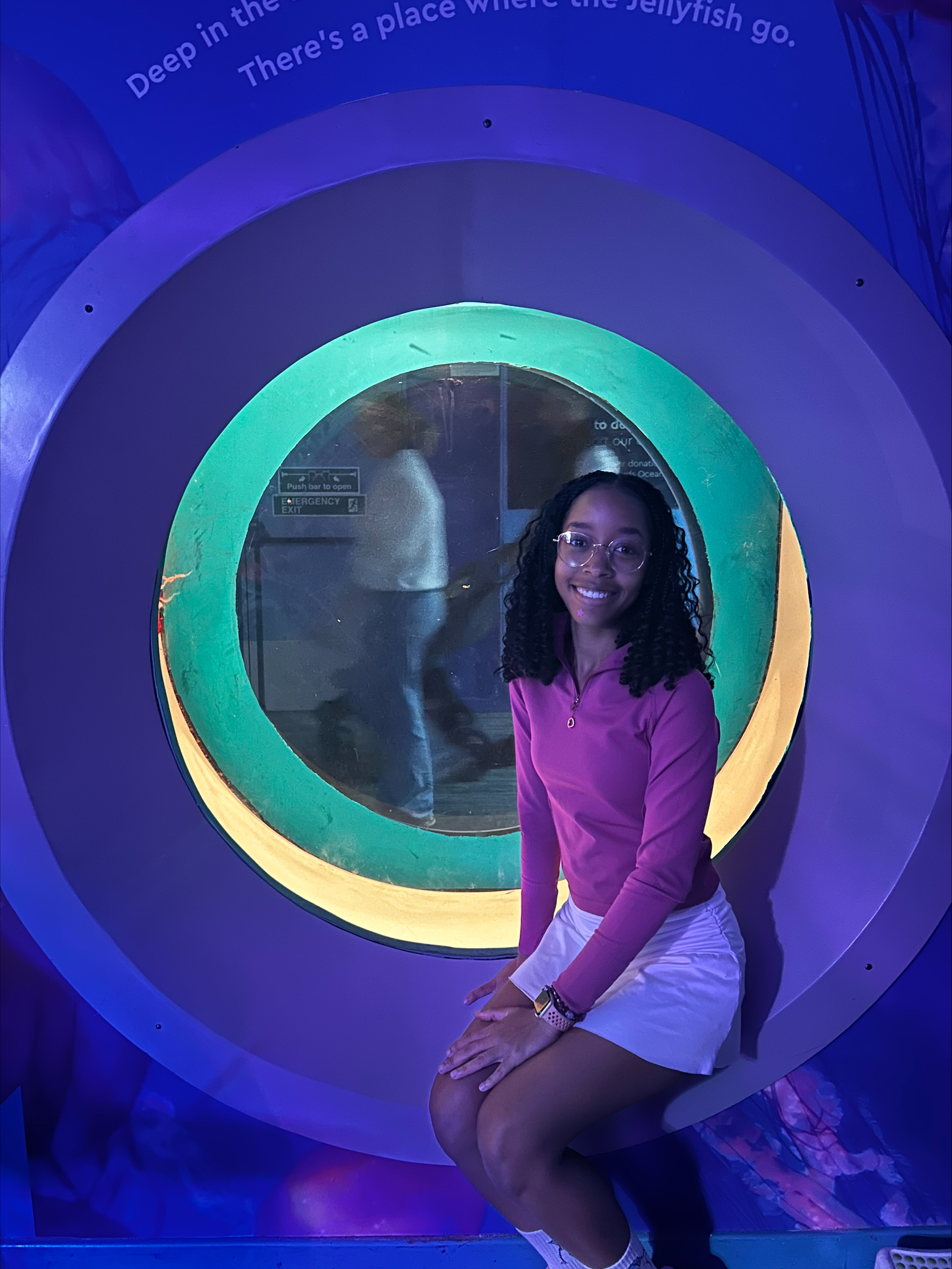
When Khianna Lee began working to restore Jamaica’s queen conch populations, she saw firsthand how fragile marine ecosystems, and the communities that depend on them, had become. That experience would ultimately shape her decision to pursue an MSc in Marine Conservation in the UK with the support of a Chevening Scholarship.
After completing her bachelor’s degree in marine biology, Khianna took on a pioneering role as Aquaculture Manager of Jamaica’s first and only Queen Conch Mobile Laboratory. There, she focused on the restoration and conservation of queen conch – a large marine gastropod species that’s vital to marine biodiversity and the livelihoods of coastal communities.
Motivated to deepen her expertise in marine conservation, climate change analysis, and fisheries management, she set her sights on the UK, a global hub for marine science and home to the largest concentration of marine conservation researchers in Europe. This ambition led her to secure a Chevening Scholarship at the University of Plymouth.
‘Delivered in partnership with regional, national, and international conservation practitioners, the University of Plymouth offers the UK’s only MSc Marine Conservation programme,’ she explains.
A fresh outlook on marine conservation
Studying for her MSc has been a transformative experience for Khianna. She highlights the programme’s weekly workshops as a defining feature, offering hands-on collaboration with external conservation organisations.
‘These sessions provide a “real-world” approach to learning,’ she says. ‘We’re not just studying theory – we’re engaging directly with the challenges facing the marine conservation sector and exploring practical solutions.’
Her course has also opened doors to applied research. This summer, she will complete her dissertation in collaboration with Falmouth Harbour, contributing to a live marine conservation project while exploring governance strategies for protecting marine resources.
But one of Khianna’s proudest academic moments came early in the programme:
‘We were tasked with designing a monitoring framework to assess the impact of deep-sea mining on cold-water corals,’ she recalls. ‘Our group had incredible synergy, and our lecturer described our presentation as a standout – the best she had seen since the module began.’
Beyond the classroom, Khianna has embraced new challenges, like braving the cold British waters during a field trip… a stark contrast to Jamaica’s tropical water!
Life in the UK
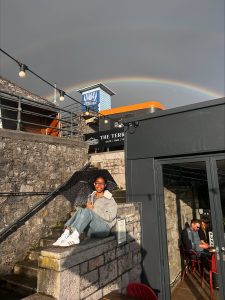
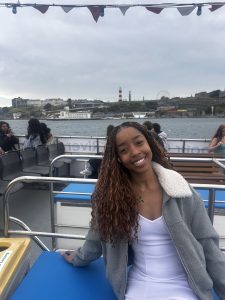
Khianna describes her experience of studying in the UK as vibrant and welcoming, with easy access to everything students need. From the coast to shops and social spaces, she was quickly made to feel at home in a new environment.
‘The campus has a 24/7 library and multiple buildings with excellent study and wellbeing spots, plus plenty of lounge areas to relax between lectures. There’s always something happening through the Students’ Union. I even rediscovered my love for badminton.’
One of Khianna’s most memorable experiences was International Welcome Week.
‘Moving to a new country did feel a bit daunting, but the tours and activities during the week were perfectly designed to break the ice… I’ve since found my little group of friends, and we’ve been creating so many exciting and unforgettable memories together.’
Finding support in the Chevening network
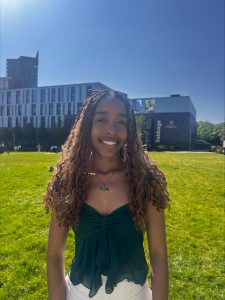
The Chevening community has been a key point of inspiration in Khianna’s journey.
‘This opportunity has introduced me to some of the most brilliant and dedicated professionals in their fields,’ she explains. ‘It is truly an inspiring and empowering network of individuals from diverse backgrounds, all united by a single purpose: positive global change.’
Looking ahead
When she returns to Jamaica, Khianna plans to continue her career in marine conservation, contributing to organisations such as the National Fisheries Authority and the Environmental Foundation of Jamaica.
She is particularly passionate about introducing advanced approaches to fisheries management, biodiversity monitoring, and climate change analysis.
‘By integrating these international perspectives with global expertise, I hope to contribute to a more globalised response to climate change and fishing pressures, paving the way for a resilient marine ecosystem in Jamaica.’